

Need to Sell a House? Let's Figure Out What Makes Sense.
Every house has a story.
So does the reason you're thinking about selling it.
Tell me what's going on. Let's talk about your options.
You inherited a house you don't want. The repairs are getting out of hand. Tenants have turned a rental into a headache. You're behind on payments. The house is vacant. There's been a fire. Or life simply changed, and owning this particular property no longer makes sense.
I buy houses directly from homeowners who want another option besides the traditional process of repairing, cleaning, listing, showing, negotiating, and waiting.
You can sell the house as-is. You don't have to make repairs for me. You don't have to clean everything out. And you don't have to spend months getting the property ready to sell.
But selling to me isn't automatically the right answer.
Sometimes you should list the house. Sometimes you should keep it. Sometimes there's another solution you haven't considered yet.
Tell me about the property and what's going on. I'll look at the house, run the numbers, and we'll talk.
No obligation. No pressure. Just a straightforward conversation about the property and your options.
Tell Dennis About the House →Sometimes the House Is the Problem. Sometimes Life Is.
There are houses that become problems. And there are perfectly good houses that become problems because something changed in the owner's life. I work with both.
- Needs Major RepairsThe roof, furnace, plumbing, electrical, foundation—or maybe all of them—need attention, and you don't want to take on the project.
- Vacant PropertyThe house is sitting empty while taxes, insurance, maintenance and risk continue.
- Problem TenantsOwning rental property sounded better before the late payments, repairs, phone calls and tenant problems.
- Fire DamageThe fire may be over, but now you're facing cleanup, repairs, insurance questions and decisions about whether rebuilding makes sense.
- Mold or Water DamageWhat started as a leak or moisture problem has turned into something considerably bigger.
- Code ViolationsThe property needs work, the municipality wants something done, and putting more money into the house may not be what you want.
- Inherited PropertyYou own a house you never planned to own and now have to decide what to do with it.
- ProbateSomeone died, an estate is involved, and the house is one more thing that has to be sorted out.
- Foreclosure or Mortgage ProblemsPayments have fallen behind and the clock may be working against you.
- Delinquent Property TaxesThe balance keeps growing, and ignoring it isn't making the problem go away.
- Divorce or BankruptcyThe house is now part of a much larger financial and personal transition.
- Job Loss or RelocationLife changed faster than the real estate did.
Whatever brought you here, you don't have to have everything figured out before we talk. I've worked with homeowners dealing with difficult properties and difficult circumstances for more than 20 years.
Sometimes selling solves the problem. Sometimes it doesn't. The first step is understanding your options.
You Can Sell the House As-Is
"As-is" gets thrown around a lot in real estate. Here's what I mean by it.
I'm evaluating the house in its current condition. You don't need to fix it up for me first. You don't need to:
- Remodel the kitchen
- Update the bathroom
- Replace old flooring
- Paint
- Fix the roof
- Replace the furnace
- Repair drywall
- Clean the basement
- Empty the garage
- Remove old furniture
- Landscape the yard
- Stage the house
- Make it pretty for pictures or showings
If there are belongings in the property that you don't want, tell me. In many cases:
Take what you want. Leave what you don't.
Of course, the condition of the house affects what I can pay for it. A house that needs $80,000 in work isn't worth the same amount as an identical house that's already renovated. Selling as-is doesn't make those repairs disappear.
It just means you don't have to be the person who does them.
I'll account for the work when I determine what I can pay, and I'll take responsibility for the property after closing.
If you're trying to decide whether selling as-is makes sense for you, I've put together a more detailed explanation in What Does Selling a House As-Is Mean?
How Selling a House to Me Works
I don't think this needs to be complicated.
-
1Tell Dennis About the House
Give me the property address and tell me a little about what's going on. What's the condition? Is anyone living there? Are there repairs you know about? Why are you considering selling? And what would a good outcome look like for you? You don't need to know every detail. Tell me what you know.
-
2I'll Do My Homework
I'll research the property and look at things such as comparable sales, location, condition, repairs, size, layout and what I believe the house could realistically be worth. Depending on the property, I may need additional information or need to see it before I can make a firm offer.
-
3We'll Talk
I'll probably have questions. You should have some for me too. Ask them. If you've never sold a house directly before, you should understand who you're dealing with, how the process works and what you're agreeing to.
-
4If the Numbers Work, I'll Make You an Offer
I'll tell you what I can pay. And I'll explain how I'm looking at the property. You don't need to agree with me. But you should understand where the number came from.
-
5You Decide
This part belongs to you. Accept the offer. Reject it. Think about it. Compare it with another offer. Talk to a real estate agent. Decide not to sell at all. I'm not going to invent a fake deadline because somebody once taught a real estate seminar that pressure improves conversion rates.
-
6If You Accept, We Close
Once we've agreed on the price and terms, the purchase agreement goes to a title or closing company. They handle the title work and closing process, including identifying mortgages, liens or other issues that need to be addressed. When everything is ready, documents are signed, the transaction funds, ownership transfers, and you receive the proceeds you're entitled to receive.
If you'd like to understand the process in more detail before talking to me, start with How Cash Home Buyers Work and What Happens at Closing?
Selling to Me Isn't Always the Best Option
That's probably an odd thing for a home buyer to put on his homepage. But it's true.
If your house is in good condition, you have plenty of time, and your primary goal is getting the highest possible price, you should seriously consider listing the property with a good real estate agent.
A homeowner buying a house to live in can usually pay more than an investor buying the same house as a business investment. That's not a flaw in either model. They're different transactions.
Why Would Anyone Sell Directly, Then?
Because the highest theoretical selling price isn't the only thing homeowners care about. Sometimes people care more about:
They don't want to renovate, clean, stage and show the house.
They don't want the transaction dependent on a buyer obtaining financing or the house appraising at a particular number.
They have a reason they don't want the property six months from now.
The house needs enough work that preparing it for a traditional buyer would require significant money, time or both.
They don't want photographs online and strangers walking through the property.
They already have enough going on.
A traditional sale is designed to expose the property to the market and try to maximize the selling price. A direct sale is designed to simplify the transaction. Which one is better depends on what you're trying to accomplish.
If you're deciding between the two, read Traditional Sale vs. Cash Sale before making a decision.
My Name Is on the Business for a Reason

I'm Dennis Fassett. I've been buying houses since 2004 and have participated in more than 3,000 transactions with my partners over the years. That's a lot of houses. More importantly, it's a lot of people.
I've dealt with straightforward properties where everything went exactly as expected. I've also seen houses with major repairs, title problems, fire damage, difficult tenants, complicated estates, family disagreements, financial problems and situations where everybody involved had a different opinion about what should happen next.
After 20-plus years, you learn something. The house is usually the easy part. Understanding what the homeowner is actually trying to accomplish can be harder.
That's why I don't want the first conversation to feel like you're entering somebody's sales funnel. Tell me what's going on. I'll ask questions. You ask questions. We'll figure out whether there's a deal that makes sense.
This is my business. My name is on it. And that matters to me.
I've always believed:
This isn't just a transaction — it's a relationship.
And the rule I've tried to follow is even simpler:
We all win or nobody does.
Ready to Talk to Dennis?
Tell me about the house and what's going on. No obligation, no pressure — just a straightforward conversation about your property and your options.
"(Required)" indicates required fields
How Do I Determine What I Can Pay?
There's no magic formula that tells me what every house is worth. And there's no single percentage of market value that works for every property.
I look at the actual house. That typically means considering:
- Location
- Recent comparable sales
- Current condition
- Repairs needed
- Size and layout
- Bedrooms and bathrooms
- Major mechanical systems
- Roof and structural condition
- Likely resale value
- Current market conditions
- Holding costs
- Transaction and resale expenses
- The amount of risk involved
Then I work backward. What do I believe the house will realistically be worth? What will it cost to get it there? What other costs will I have? What could go wrong? And is there enough left for the investment to make sense?
I'm running a business, so yes, the numbers have to work for me too. But there shouldn't be anything mysterious about that.
You may decide my offer makes sense. You may decide you'd rather list the house and try to get more. Either answer is fine.
If you'd like to understand the numbers before requesting an offer, read How Is Home Value Determined? and What Affects a Cash Offer?
Real Houses. Real Situations.
When I say I buy houses as-is, I don't mean houses that need new countertops and a fresh coat of agreeable gray paint. I've worked with properties that need real work.
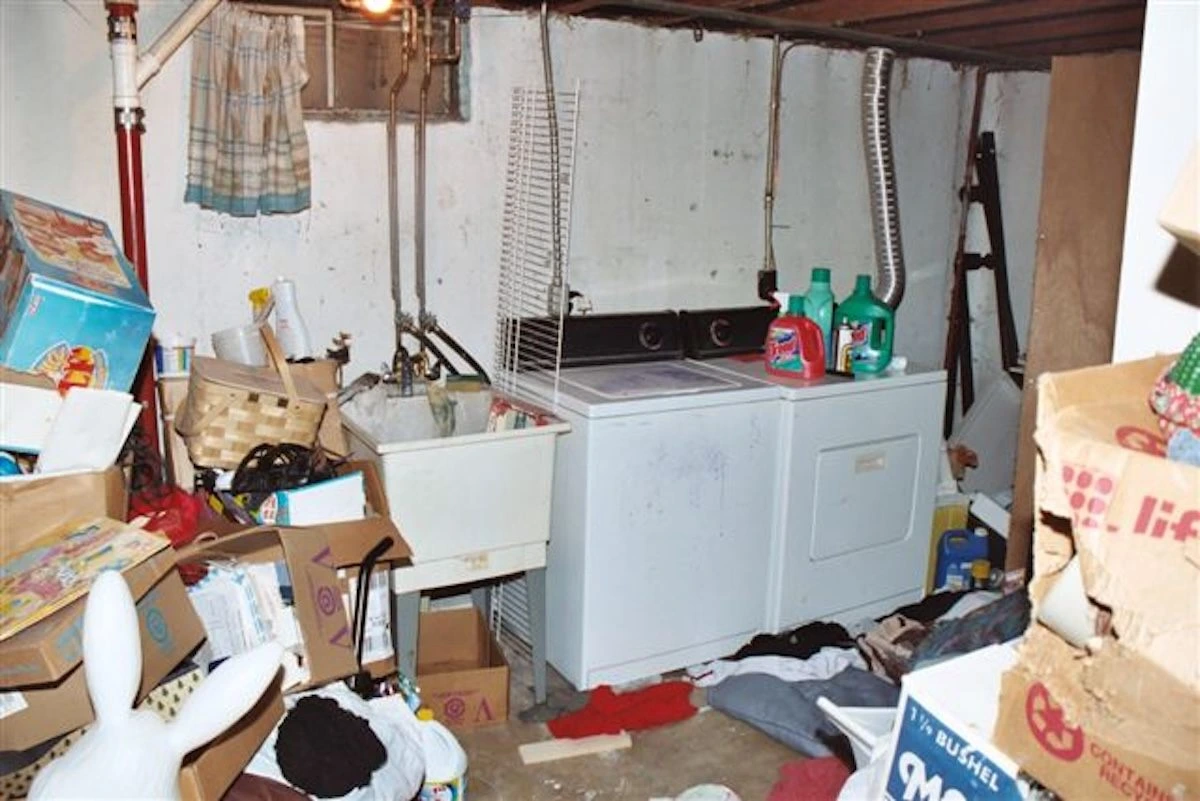
The House Nobody Wanted to Clean Out
Sometimes the biggest obstacle isn't the condition of the house. It's everything inside it. Years—or decades—of furniture, clothing, boxes, tools, paperwork and everything else a family accumulates. If you want the important things and don't want the rest, tell me. You don't necessarily have to turn an overwhelming cleanout into your next full-time job.
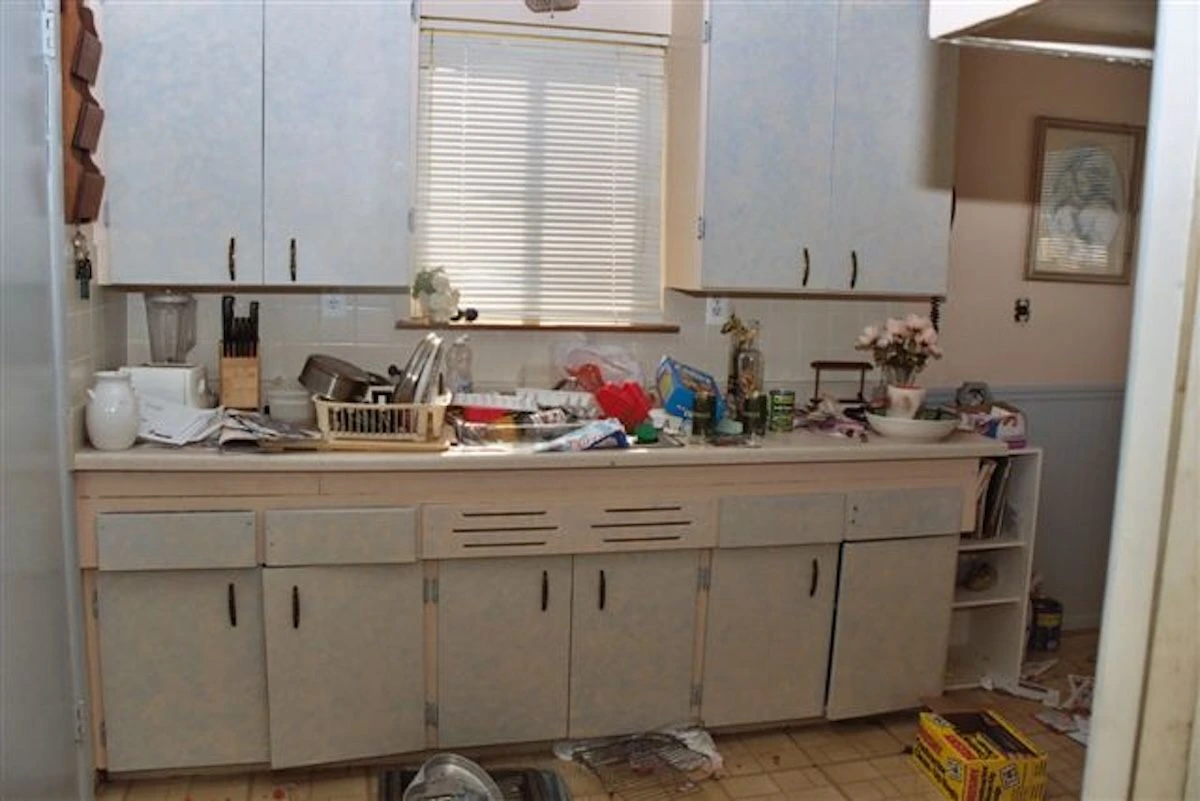
The Rental That Became One Problem Too Many
A rental property can be a great investment. Until it isn't. Maybe the repairs keep coming. Maybe the tenant relationship has deteriorated. Maybe the return simply isn't worth the work anymore. You don't have to love being a landlord forever just because you bought a rental property years ago.
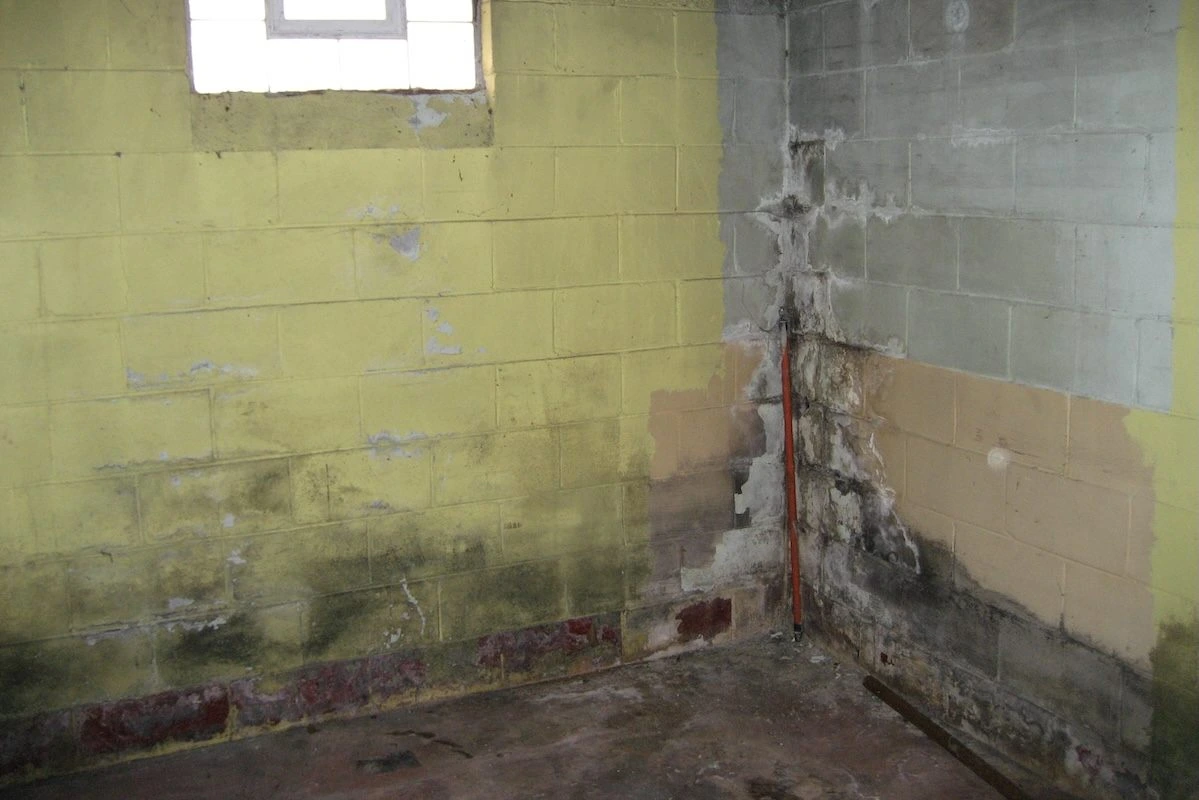
The House That Needs Everything
Roof. Electrical. Plumbing. HVAC. Kitchen. Bathrooms. Windows. And somehow there's still water in the basement. At some point, you're no longer talking about making a few repairs before selling. You're talking about taking on a renovation project. Some homeowners want to do that. Some don't. I buy from the ones who don't.
What Homeowners Say
“When you mentioned that you would give us an offer within 24 hours and then close quickly I didn't really believe that we would have the house sold in only 2 weeks. I'm glad I found you.”
“Thank you for contacting me. I didn't know what I was going to do with this house.”
“Thanks for buying my Mother's home. It was a big help that you were able to buy it without us having to clean it out and get it ready to sell. My mother had accumulated lots of stuff and after the stress of her long illness I was exhausted and I dreaded dealing with all of it. I also liked it that you gave me a very fair price for the home. I'm on a fixed income and that really helped a lot.”
Start With the Guides
You don't have to request an offer to use the information on this site. Maybe you're still trying to figure out whether selling makes sense. Good. Learn first. I've created straightforward guides to some of the questions homeowners ask most often.
How Cash Home Buyers Work
What happens when you sell directly to a professional buyer, how the buyer makes money, and what you should look for before agreeing to anything.
Read the Guide →What Does Selling a House As-Is Mean?
What as-is does—and doesn't—mean for repairs, inspections, disclosures and your selling price.
Read the Guide →How Is Home Value Determined?
How comparable sales, condition, location, features and market conditions affect what a house is worth.
Read the Guide →What Affects a Cash Offer?
Why an investor's offer isn't the same as retail value and what goes into calculating one.
Read the Guide →Understanding Closing Costs
What costs can appear in a real estate transaction and why the selling price isn't necessarily the amount you walk away with.
Read the Guide →What Happens at Closing?
What actually happens between accepting an offer and getting paid.
Read the Guide →Sometimes the Answer Is "Don't Sell to Me."
I don't expect every house I look at to become a deal.
Maybe you'd clearly make substantially more money by listing the property. Maybe one or two repairs would materially improve your options. Maybe a title issue needs to be resolved before anyone can buy it. Maybe another buyer is willing to pay more than I can. Maybe the problem you're trying to solve doesn't actually require selling the house.
If I see something that makes another option obviously worth considering, I'll tell you. You can still decide what you want to do.
I'd rather lose a deal than make a deal that never should have happened.
That might not be the most sophisticated business philosophy in the world.
It works for me.
Frequently Asked Questions
Yes. I make my offer based on the property's current condition rather than requiring you to renovate it before I buy it. Condition will affect the value and my offer, but you don't have to make those repairs for me.
Not necessarily. Take the belongings you want and tell me what's left. Depending on the property and transaction, we can often handle the remaining cleanout after closing.
It depends on the property and the title. A straightforward transaction with clear title can move quickly. Properties involving probate, liens, ownership problems or other complications can take longer. I'd rather give you a realistic answer after understanding the property than promise a closing date before I know anything about it.
I evaluate the property, location, comparable sales, condition, repairs, likely resale value, holding and transaction costs, and the risk involved. I then determine what I can pay while leaving enough room for the investment to make sense.
Possibly—and in many cases, probably. A traditional sale exposes the house to retail buyers, who can generally pay more than an investor. But getting the highest selling price may require repairs, preparation, showings, inspections, financing, commissions, closing costs and time. Compare your likely net proceeds and effort, not simply two selling prices.
You aren't hiring me as an agent to list your house, so you don't pay me a real estate listing commission. Any transaction-specific costs or property obligations should be identified before closing so you can understand what you'll actually receive.
That's normal. Most houses are sold with an existing mortgage. The title or closing company obtains the payoff amount, and the mortgage is generally paid from the sale proceeds at closing. You receive the remaining proceeds after the mortgage and other required amounts are satisfied.
That doesn't necessarily mean you can't sell it. The first step is determining exactly what the problem is. Some title issues are straightforward to resolve. Others require additional documentation, cooperation from another party, probate proceedings or professional legal assistance. See Understanding Title Problems if you'd like to learn more.
Inherited houses can usually be sold once the person with legal authority to transfer the property has been established. Exactly how that happens depends on how ownership was held, the estate and applicable state law. Don't make assumptions about what you can or can't do with an inherited property until you've confirmed who legally owns it and who has authority to sell.
I consider tenant-occupied properties. I'll want to understand the lease, rent, payment history, security deposit, property condition and any existing landlord-tenant issues. Don't remove a good tenant solely because you assume you have to deliver an empty house to me.
Then don't decide yet. Get information. Understand what the house may be worth. Talk to a real estate agent if you're considering listing. Get an offer from me if you want to know what a direct sale looks like. Compare your options. Then decide. Requesting an offer doesn't obligate you to accept one.
Let's See If This Makes Sense
Tell Dennis about the house and what's going on. I'll take a look at the property, do my homework, and we'll talk about what you're trying to accomplish. If selling to me makes sense, I'll explain what I can offer. If it doesn't, that's okay too. Either way, you'll have better information than you started with.
"(Required)" indicates required fields